rectifier platint About
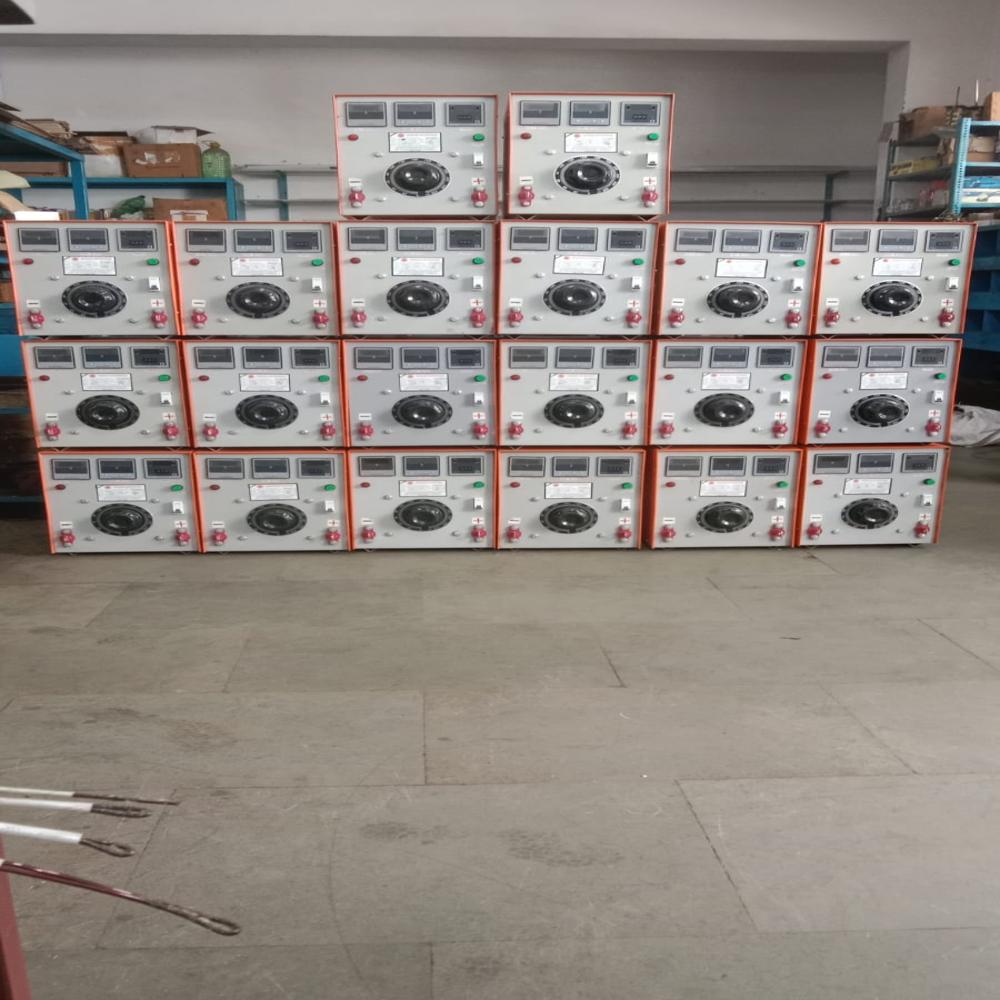
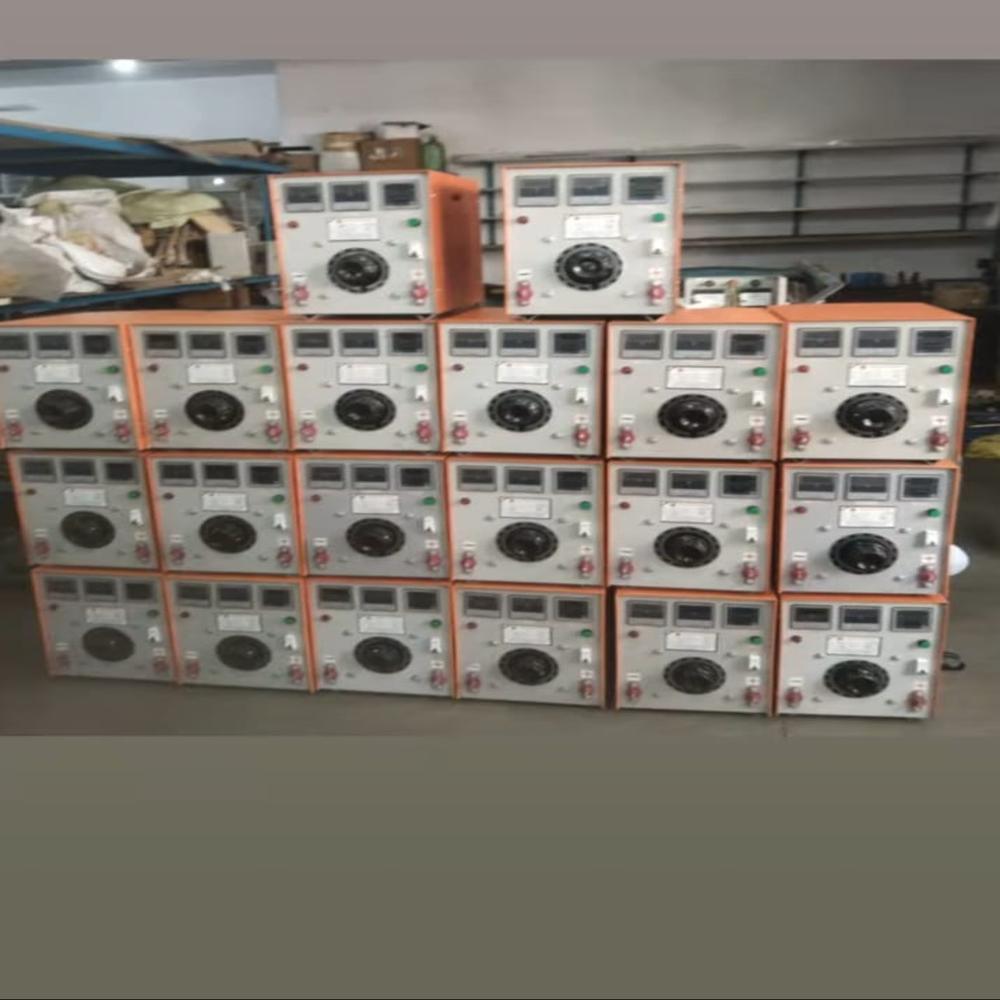
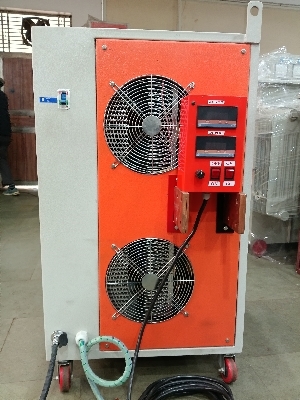
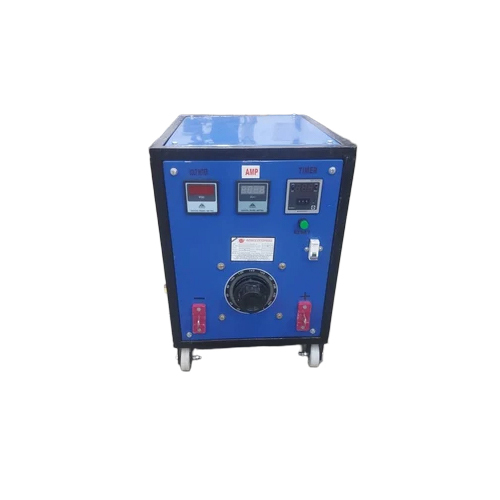
An electroplating rectifier is a power supply device that converts alternating current (AC) to a stable, controllable direct current (DC) required for electroplating, where a metal layer is deposited onto a surface. It regulates the voltage and current to ensure a smooth, uniform coating and is essential in industries like electronics, automotive, and jewelry for processes such as plating, anodizing, and electroforming. Rectifiers feature cooling systems (air or water) and protective measures for safe, continuous operation.
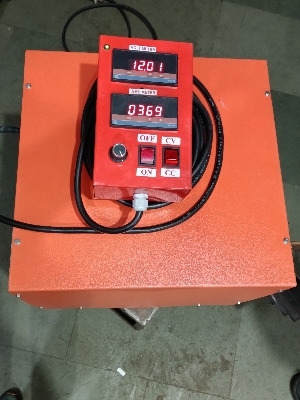
Advanced Digital Control and DisplayThe integrated microprocessor-based digital controller ensures precise rectification and optimal operation. With a clear LED digital display, users can easily monitor current and voltage in real-time, enabling enhanced process management and greater confidence during critical finishing tasks.
Superior Efficiency and Robust ProtectionEngineered to maintain efficiency above 90% and a power factor greater than 0.95, the rectifier plant supports heavy-duty industrial workloads. Overload protection and Class F/H insulation provide operational safety, while output regulation ensures exceptionally stable performance for sensitive processes.
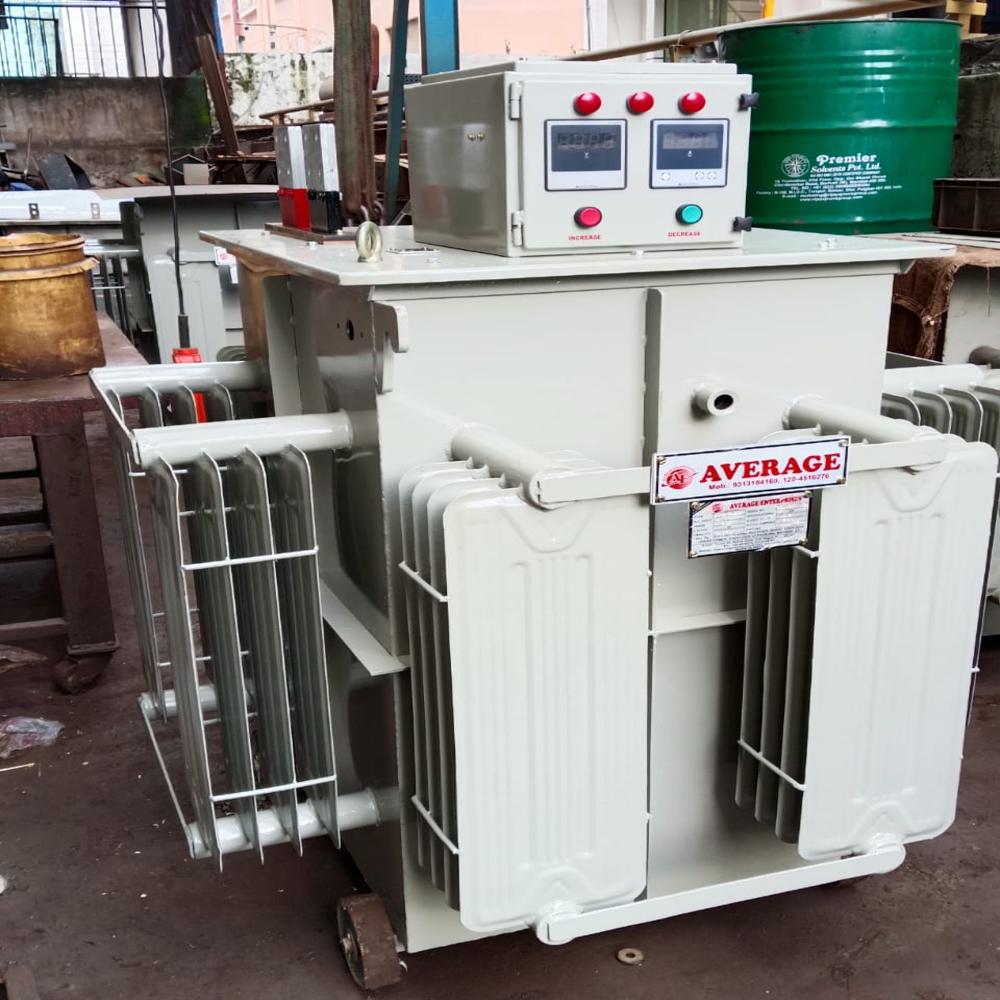
Flexible Cooling and Customizable DesignChoose between air or water cooling to match your site's requirements. The IP54-rated, floor-mounted enclosure shields internal components from dust and moisture. With options for standard or tailored dimensions, this system integrates seamlessly into various installation environments.
FAQ's of rectifier platint:
Q: How does the microprocessor-based digital controller enhance rectifier plant performance?
A: The microprocessor-based digital controller constantly monitors and regulates the rectifier's outputs, ensuring high accuracy in voltage and current delivery. This results in improved process control, efficient operation, and minimized risk of error during industrial processes like electroplating and anodizing.
Q: What cooling methods are available for this rectifier plant, and when should I choose each?
A: The plant offers both air and water-cooled options. Air cooling is suitable for facilities with adequate ventilation and moderate ambient temperatures, while water cooling is recommended for environments with higher heat loads or where silent, efficient heat dissipation is essential.
Q: Where is this rectifier plant typically used and what are its primary applications?
A: This rectifier is widely used in electroplating, anodizing, and industrial metal finishing sectors. Its robust design and reliable performance make it suitable for manufacturers, suppliers, and traders across India handling demanding electrochemical processes.
Q: What process benefits does the IP54-rated enclosure provide?
A: The IP54 enclosure protects the rectifier from dust, splashing water, and other contaminants commonly found in industrial environments. This ensures longevity and consistent performance, reducing maintenance needs and potential downtime.
Q: How does the low ripple factor benefit industrial finishing processes?
A: With a ripple factor of less than 5%, the rectifier ensures smooth and stable DC output. This is critical in metal finishing applications where inconsistent current can lead to poor surface finishes or compromised product quality.
Q: What usage advantages does the automatic/semi-automatic operation offer?
A: Automatic operation streamlines batch processes, maintains output consistency, and reduces manual intervention, while semi-automatic mode offers flexibility for specialized jobs. Both features ensure higher productivity and adaptability in diverse workflows.






 Send Inquiry


 Send Email

 Send Inquiry
 Send Inquiry
 Call Me Free